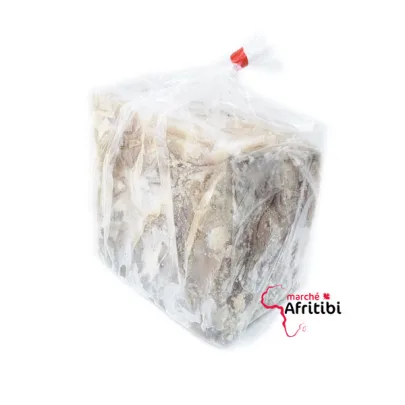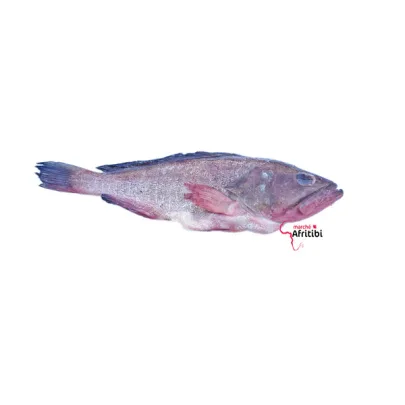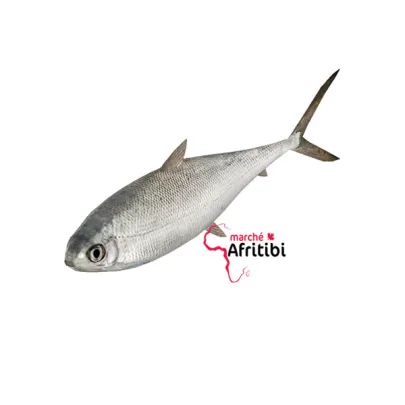
Wild Capitaine Fish
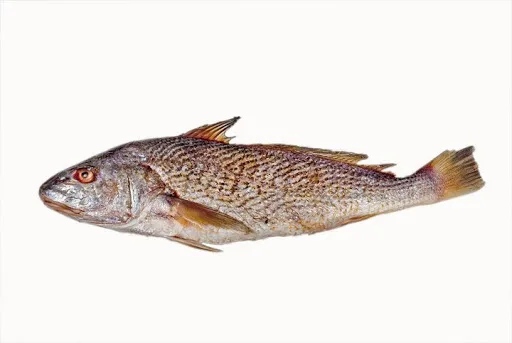
The wild Capitaine Fish, also known as Croaker fish, Atlantic Croaker, Yellow Croaker, or Corvina, is a delicious fish with off-white flesh and a mild taste. It is best served with just a hint of sauce to avoid masking its flavor.
Preparation and Cooking Insights:
- Scaling: Medium-sized scales with medium adhesion. The scales may fly around a bit when scraped off, but it’s not a major issue.
- Cleaning: No particular problems. The gills are a bit prickly but can be pulled out without tools.
- Filleting: This fish is fairly easy to fillet. The process involves cutting the ribs away from the backbone and pulling them from the fillet with long-nose pliers. De-boning is fairly easy but tends to break in smaller fish.
- Yield: A 1-pound 3/4-ounce fish yields about 43% of skin-on fillets and 39% for skin-off fillets, which is considered a modest yield due to the fillets being fairly thin.
- Skinning: Skin shrinkage is significant and hardens during cooking. It is recommended to skin the fillets for frying or poaching.
- Cooking: Skinned fillets are excellent for pan-frying and poaching. The fish is not suitable for frying whole due to severe skin shrinkage and the head’s width compared to the body. Medium-sized fish can be baked, steamed whole, or breaded with a few diagonal slashes along the skin to avoid shrinkage.
- Stock: The head, fins, and bones make a mild-tasting, versatile, and abundant stock with very little oil.
Cooking Recommendations:
For medium-sized fish, consider baking, steaming, or making a few diagonal slashes along the skin to avoid shrinkage. They are difficult to lift and reassemble for serving because the fish is so tender. Medium-sized individual fish are easier to serve, but larger fish can be panned and halved into equal weight portions before cooking.
Source
Frozen hard Chicken


Reviews
There are no reviews yet.